
Nail the interview
If your profile is a match for a job, you’ll be asked to do an interview with the contractor. Be prepared to talk about your experience and skills and give some examples.
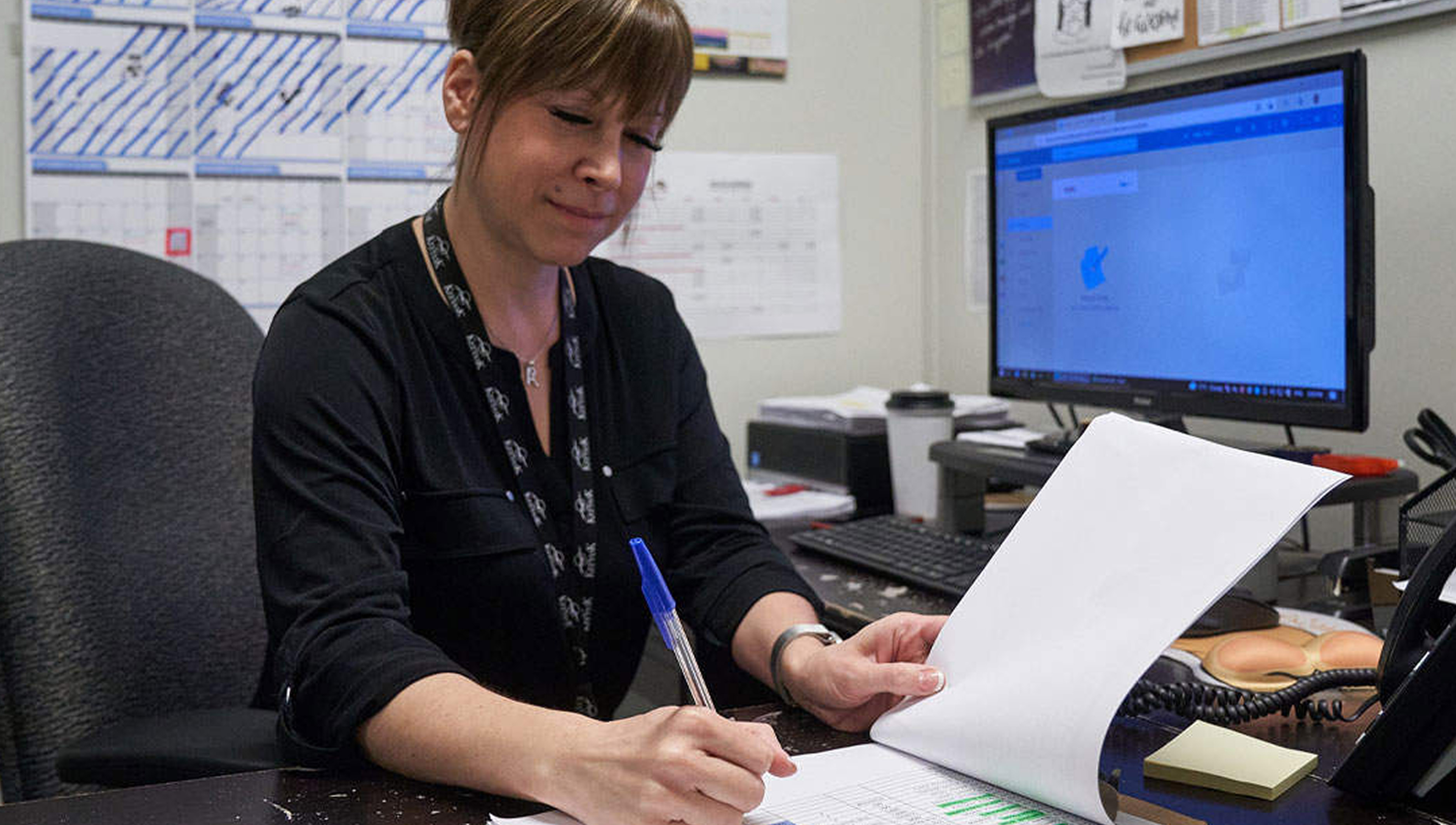

TIP: Bring one or two copies of your resume with you to the interview.
TIP: Practice your interview answers with a friend or family member so you feel more comfortable on the day of the interview.
TIP: After your interview, let your references know that someone might be calling them soon.
What they might ask you about in the interview:
- Your experience: The contractor will ask about your previous work and training experience including what your responsibilities were, what your day-to-day activities looked like, and what training you did. They may ask about your experience using specific tools or equipment.
- Safety awareness: You may be asked questions about safety procedures like lockout/tagout and any previous safety training you have. Go into detail about the training and procedures you are familiar with.
- Work conditions: Contractors want to know if you will be comfortable with the conditions of the job. They may ask how you feel about working long hours, living away from home, physical or outdoor work, or staying at a project camp for weeks at a time.
What you may want to ask the contractor
Interviews are also about finding out whether the job is right for you, so come to the interview prepared with questions you want to know about the position.
You may want to ask about:
- Pay and benefits: Ask about the salary, health coverage, pension plan, and other benefits they may offer.
- Meals and accommodations: Find out if these will be arranged for you and what they will include. Ask about how they will support your culture and practices.
- Work schedule: Ask about the work hours and the turnaround schedule. Are you expected to work two weeks off and one week on? Twelve hour days?
- Tools and equipment: Determine if these are provided or if you need your own. Is there a spending allowance for tools or work boots?
- Feedback timeline: Ask when you can expect to hear back after the interview about a decision.
Are you ready to get to work?
If you got a job, would you be ready to take it quickly?
The amount of time between being offered a job and actually starting a job can be quick, so it helps to start thinking about what you would need to be ready to go.
Also, make sure to have a working phone to communicate with contractors and project liaison officers at Manitoba Hydro.